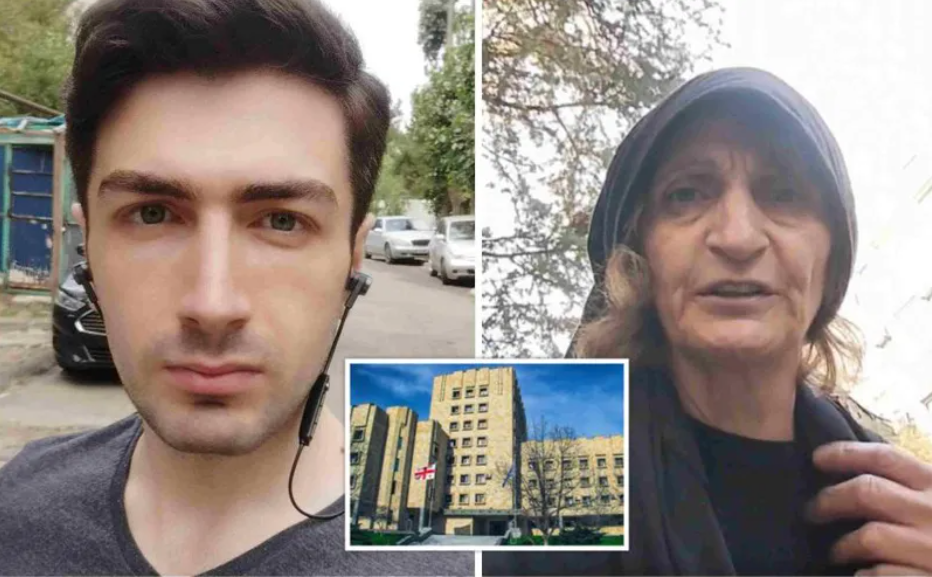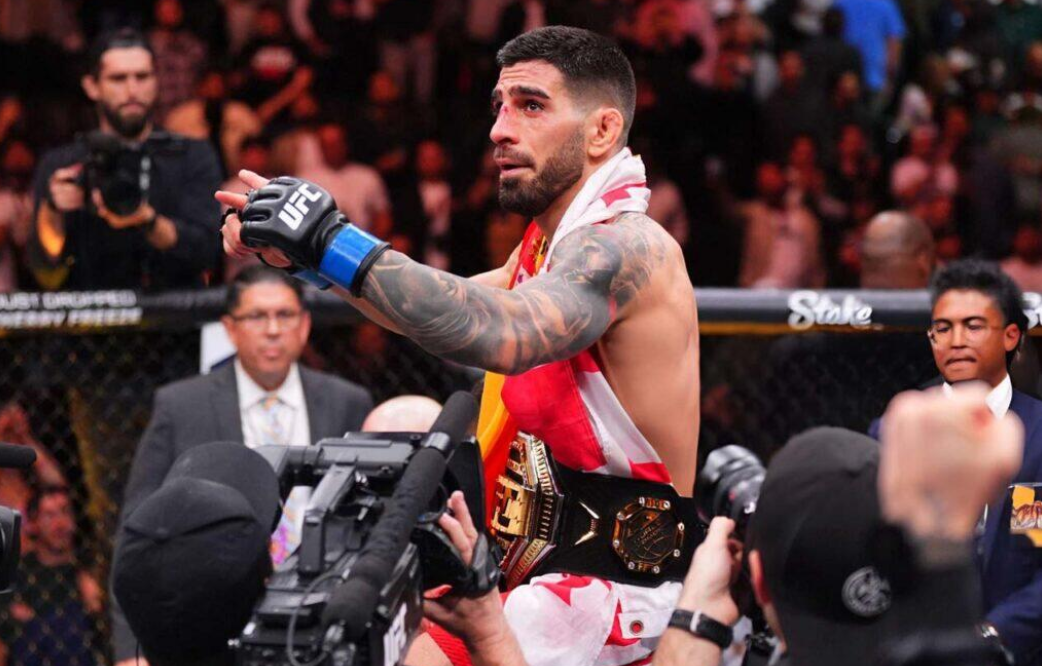
UFC fighter Ilia Topuria has released an official statement on his Instagram page addressing recent developments in his personal and professional life.
As previously reported, “El Matador” does not plan to step into the Octagon during the first half of 2026. According to Topuria, this decision is related to serious family issues.
In his statement, Topuria revealed that he has become the target of blackmail and threats, adding that he plans to pursue legal action.
“Over the past few weeks, I have made a difficult decision — to temporarily step away from defending my title. This was not an easy choice. However, when circumstances begin to threaten your personal dignity, your family, and your reputation, there comes a moment when you must confront them directly,” Topuria wrote.
He stated that in recent months he has been subjected to severe and completely unacceptable pressure, including threats that false allegations of domestic violence would be made public if certain financial demands were not met.
“These accusations are entirely unfounded. Truth is not a matter of opinion — it is a matter of evidence,” Topuria said.
According to him, all relevant evidence has been carefully preserved and documented, including audio recordings, written communications, witness statements, and video materials. These materials have been submitted to the appropriate judicial authorities to initiate legal proceedings related to attempted extortion, falsification of evidence, misappropriation of funds and personal property, and repeated threats.
Topuria explained that his initial decision to remain silent was made solely to protect his children, whom he described as the most important part of his life.
“However, I have now realized that silence under such circumstances does not protect the truth — it allows false narratives to spread,” he added.
He noted that many people have faced similar situations and that, in numerous cases, the legal system has ultimately established the facts. Topuria emphasized that he is speaking out not only for himself and his family, but also to demonstrate that no one should be forced to submit to intimidation, manipulation, or fear.
“Those who know me can confirm that I have never been involved in any form of violence and that my life and career have always been guided by discipline, respect, and integrity,” he stated.
Topuria expressed full confidence in the judicial process and said he will allow the legal system to determine the facts based on evidence. Out of respect for his children and the ongoing legal proceedings, he announced that he will not make further public statements.
He also urged the public and media to refrain from speculation and to respect his family’s privacy during this sensitive period.
“The truth does not need to shout — it needs facts,” Topuria concluded.
Ilia Topuria, one of the rising stars of the UFC featherweight division, has announced a temporary pause in his professional career, citing personal threats and family-related concerns as the primary reasons. The news has reverberated throughout the MMA community, prompting discussions about the pressures athletes face both inside and outside the octagon.
Topuria, known for his aggressive striking and finishing ability, has built a reputation as a formidable competitor. His performances have not only earned him recognition among fans but also positioned him as a serious contender for a title shot in the featherweight division. However, the decision to step back underscores a reality that is often overlooked in professional combat sports: the intense personal and psychological demands that accompany a public athletic career.
From an analytical perspective, Topuria’s decision can be seen as a strategic move to prioritize long-term wellbeing over short-term gains. Fighters in the UFC operate under high physical and mental stress, often balancing grueling training schedules, weight management, and media obligations. When external factors such as threats to personal safety or family concerns emerge, the risk of burnout or underperformance increases significantly. By choosing to pause, Topuria may preserve his competitive longevity and ensure he returns stronger both physically and mentally.
This situation also highlights broader implications for the UFC and combat sports in general. Fighter security, mental health support, and family protection are increasingly recognized as integral to athlete management. The UFC has invested in safety protocols and counseling resources, but cases like Topuria’s suggest that more comprehensive approaches may be needed to safeguard fighters in high-profile divisions.
Financially, a temporary pause may have short-term consequences, particularly in terms of fight purses, sponsorships, and ranking momentum. However, in the long term, ensuring personal safety and mental stability can prevent career-threatening disruptions and maintain an athlete’s market value. History shows that fighters who address personal issues proactively often return to competition with renewed focus and strategic growth, sometimes performing at even higher levels than before their hiatus.
From a fan perspective, the announcement may generate mixed reactions. While some may express concern over the interruption in Topuria’s rising career, others may view the decision as a responsible acknowledgment of personal priorities. It reflects a growing awareness in combat sports culture that athletes are not merely performers but individuals whose personal lives and safety matter as much as their public achievements.
Conclusion
Ilia Topuria’s pause in his UFC career serves as a reminder of the complex dynamics surrounding professional athletes. Beyond the physical battles inside the octagon, fighters contend with personal, psychological, and social pressures that can significantly influence performance. Topuria’s decision underscores the importance of prioritizing mental health and family wellbeing, even at the cost of temporary career delays.
Strategically, this move may ultimately strengthen his career trajectory, allowing him to return to competition with focus, resilience, and renewed motivation. For the UFC and the broader MMA community, the situation emphasizes the need for robust support systems that address both the public and private challenges fighters face. Topuria’s decision, while personal, sets an important precedent in professional combat sports: that acknowledging and addressing threats to safety and family life is as crucial to a fighter’s success as their training and skill inside the cage.