

The Most Profitable Supermarkets in Georgia: Top 10 Chains Driving the Retail Market
The retail landscape in Georgia has undergone significant transformations over the past decade. With a growing urban population, increased consumer spending, and evolving shopping habits, supermarkets have become more than just places to buy groceries—they are central hubs of convenience, pricing strategy, and brand loyalty. Today, we examine the ten most profitable supermarkets in Georgia, analyzing what makes them successful and how they shape the retail sector.
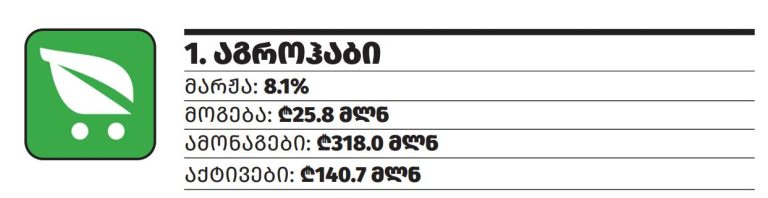
1. AgroHub
AgroHub stands out as a leading supermarket chain, known for its emphasis on locally sourced produce. By connecting directly with Georgian farmers, AgroHub has cultivated a reputation for fresh, high-quality goods at competitive prices. Its profitability stems not only from strong sales volume but also from its supply chain efficiency and brand trust. Urban shoppers, particularly in Tbilisi, value the combination of affordability and quality, making AgroHub a frequent choice for weekly groceries.
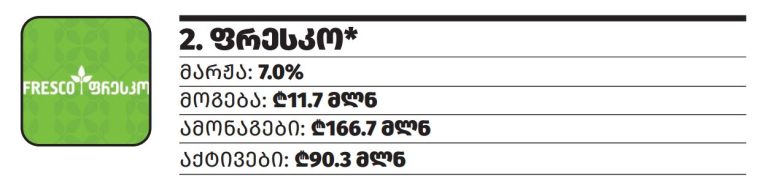
2. Fresko
Fresko has carved its niche by focusing on premium products and international brands. Unlike conventional supermarkets, Fresko targets middle- and upper-income shoppers who prioritize quality over price. Its stores are designed with a modern shopping experience in mind, featuring spacious layouts, fresh bakery sections, and ready-to-eat meals. Profitability is further enhanced through loyalty programs and targeted promotions, ensuring repeat visits and customer engagement.
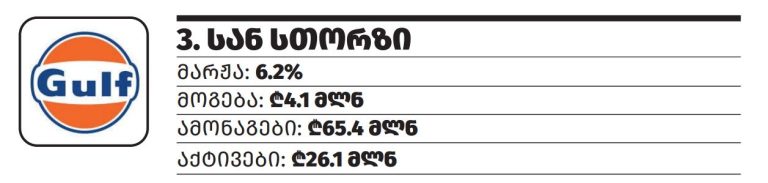
3. San Stores
San Stores has positioned itself as a community-centric retailer. Smaller in size compared to some national chains, San Stores emphasizes neighborhood convenience and accessibility. Its profitability strategy relies on high turnover of essential goods and competitive pricing in residential areas. By focusing on convenience rather than large-scale inventory, San Stores maintains strong profit margins while meeting everyday consumer needs efficiently.
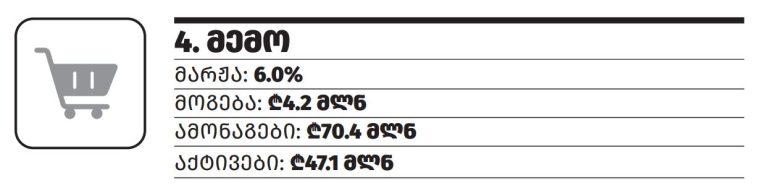
4. Memo
Memo, appearing twice in the top 10, reflects its strong market penetration across Georgia. Known for its consistent pricing strategy and broad selection, Memo attracts a wide demographic, from families to young professionals. Its success is underpinned by an expansive network of stores and a balanced approach between discount offerings and quality products. The chain’s ability to scale operations without compromising efficiency has contributed to its impressive profitability.
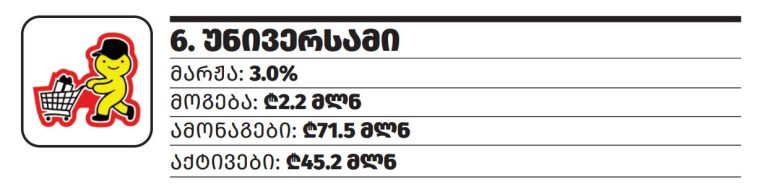
5. Universam
Universam has a long-standing presence in the Georgian retail sector. It combines traditional supermarket offerings with value-added services, such as home delivery and seasonal promotions. Universam’s profitability relies on both brand recognition and strategic store locations, often situated in high-footfall areas. By offering a familiar shopping environment and consistent product availability, Universam retains a loyal customer base while attracting new shoppers through convenience and accessibility.
6. Nikora
Nikora is one of the most recognized names in Georgia for meat and grocery products. Its integration of retail and wholesale operations allows it to control pricing and maintain high profit margins. Nikora’s success is built on brand trust, quality assurance, and its vertically integrated supply chain, ensuring that products from farm to shelf meet both safety standards and consumer expectations.
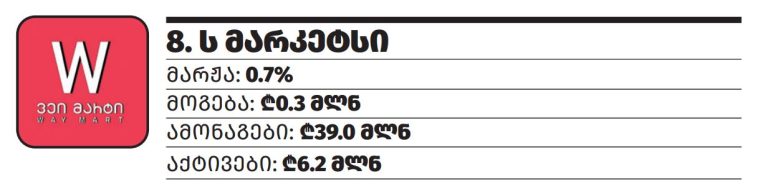
7. S Markets
S Markets focuses on affordability and accessibility, appealing to budget-conscious shoppers. Its profitability is driven by high-volume sales, frequent promotions, and strategic partnerships with suppliers. S Markets has successfully leveraged smaller-format stores in urban centers to provide convenience and maintain low operational costs, a combination that supports sustained growth and market competitiveness.
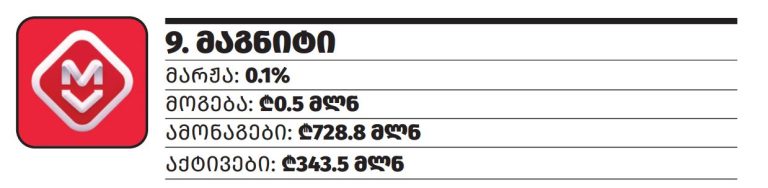
8. Magniti
Magniti has entered the Georgian market with an emphasis on international retail standards and competitive pricing. Its strategy includes modern store layouts, dynamic pricing models, and a broad assortment of products, from groceries to household items. By combining global retail practices with local market knowledge, Magniti has established itself as a profitable player capable of attracting diverse consumer segments.
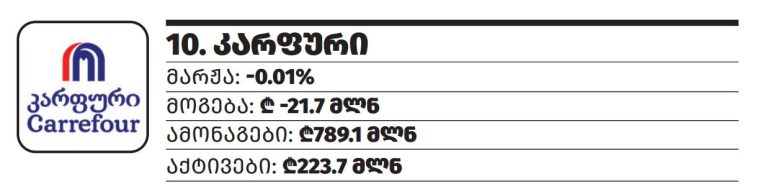
9. Carrefour
The French multinational Carrefour is widely recognized for its presence in Georgia’s hypermarket sector. Carrefour combines large-scale operations with a wide product range, including fresh produce, electronics, and clothing. Its profitability stems from economies of scale, global supplier networks, and a brand reputation that instills consumer confidence. Carrefour’s focus on one-stop shopping experiences aligns with modern consumer preferences, driving consistent foot traffic and revenue growth.
10. Memo (Revisited)
Memo’s repeated mention underscores the chain’s dominant market position. Beyond its retail network, Memo invests in marketing, community engagement, and strategic store placements. This approach has solidified its profitability and demonstrates how repetition in presence and service quality translates into consumer loyalty and financial success.
Analytical Insights
Across Georgia, profitable supermarkets share several common traits. Location strategy plays a critical role, with successful chains targeting high-density urban areas and easily accessible neighborhoods. Supply chain management, particularly sourcing locally, has emerged as a significant factor in both reducing costs and increasing product appeal. Retailers that balance affordability with quality, and convenience with variety, consistently outperform competitors.
Another key factor is customer engagement. Chains like Fresko and AgroHub have invested in loyalty programs, digital promotions, and in-store experiences that encourage repeat purchases. Similarly, large-scale chains such as Carrefour and Nikora leverage their brand credibility to maintain steady revenue, even amid growing competition.
It is also important to note the market dynamics shaping profitability. Consumer behavior in Georgia is increasingly influenced by convenience, urbanization, and price sensitivity. Supermarkets that adapt to these trends—through e-commerce, flexible pricing, and product diversity—are better positioned to thrive. Additionally, the integration of wholesale and retail operations, as seen with Nikora, offers a competitive advantage by enabling tighter control over costs and supply chain efficiency.
Conclusion
The top 10 most profitable supermarkets in Georgia demonstrate that success in retail requires a combination of strategic location, product quality, operational efficiency, and consumer engagement. Chains like AgroHub, Fresko, and Carrefour illustrate that profitability is not solely about pricing but also about creating a shopping experience that resonates with customers. Meanwhile, neighborhood-focused stores such as San Stores and S Markets show that convenience and accessibility remain powerful drivers of consumer choice.
Ultimately, these supermarkets reflect the broader trends of Georgia’s evolving retail sector: an intersection of traditional shopping habits, modern expectations, and economic pragmatism. Their continued success will likely depend on adaptability, innovative strategies, and the ability to maintain consumer trust in a market that is increasingly competitive and dynamic. For investors, shoppers, and market analysts alike, the performance of these chains offers valuable insights into the future of Georgian retail.
1.AgroHub
2. Fresko
3.San Stores
4.Memo
5.Ori Nabiji

6.Universam
7.Nikora

8.S Markets
9.Magniti
10.Carrefour
source: forbes.ge


